Image / www.highlandcoasthotels.com

Plockton Inn

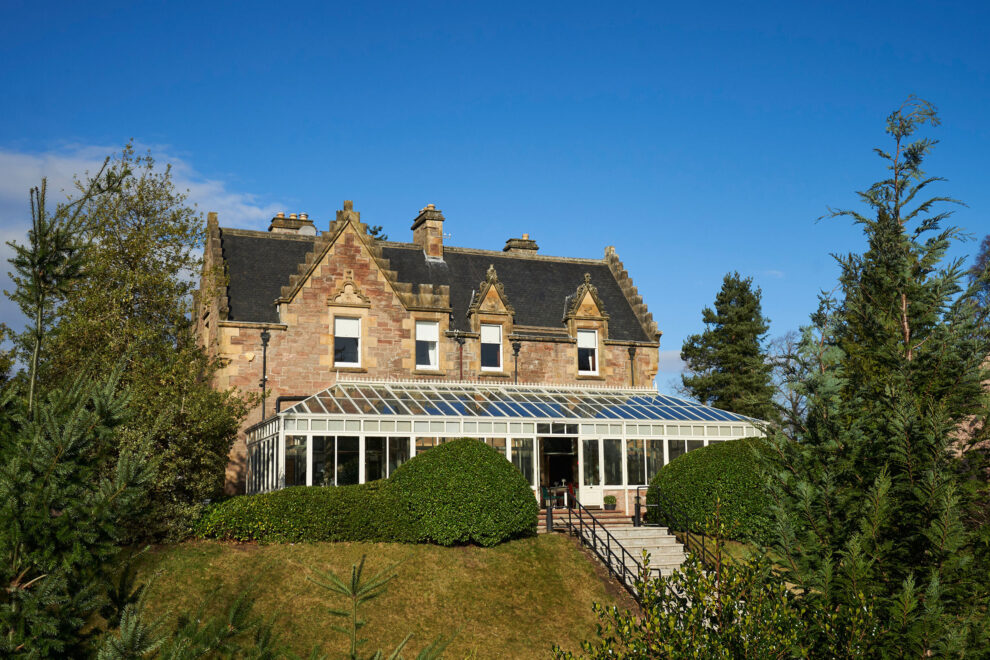
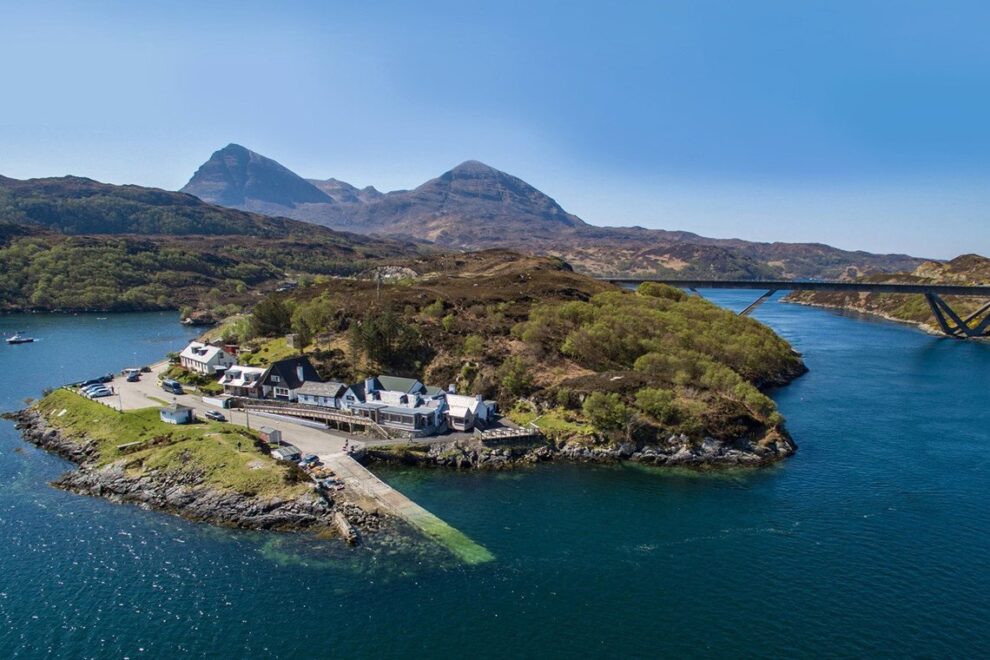
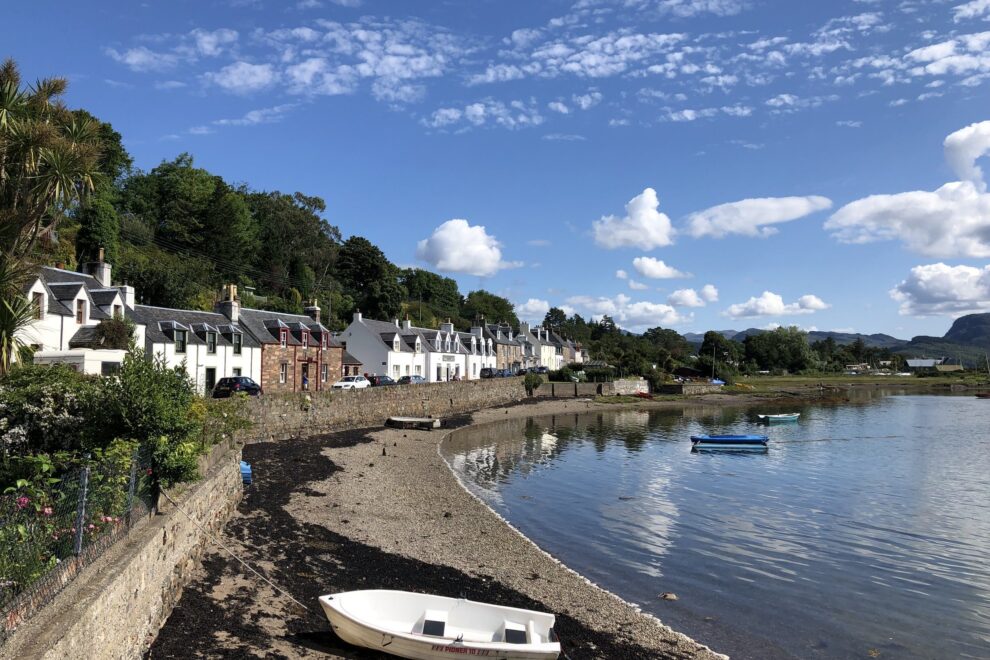
Plockton sits on a sheltered harbour, a village of palm trees, white cottages and a timeless pace. Walks near Plockton lead to Plockton Coral Beach and headlands where seals haul out and otters show at dusk. From here you can take seal trips, sea kayaking around small islands, or drive to Eilean Donan Castle and the dramatic Bealach na Bà. Gardens at Attadale offer quiet woodland rambles, while wildlife on Lochalsh draws birdwatchers and photographers. Choose a local base for easy day trips to the Isle of Skye and nearby attractions, then return each evening to fresh seafood, coastal light and the comfort of a warm room.


Image / www.highlandcoasthotels.com

Is there a protected marine habitat near Plockton Inn that I can experience from the water?

Plockton sits on Loch Carron, a designated Nature Conservation Marine Protected Area. It holds the world’s largest known flame shell bed, concentrated in the tide-swept Strome Narrows. Emergency protection began in 2017 after dredging damage, then became permanent with recovery underway. Join a gentle seal trip from the village pier, then return to Highland Coast Hotels to warm up.

Image / www.highlandcoasthotels.com

How did Plockton become a village?

lockton was built from scratch in 1801 as a planned fishing village. Landowner Sir Hugh Innes offered plots and 99-year leases to crofters cleared from surrounding land during the Highland Clearances, giving them an alternative to emigration. By 1841 the village had over 500 residents and was a thriving herring port, with schooners trading as far south as the Clyde. When the herring eventually moved on, Plockton earned the Gaelic name Baile na Bochdainn, the village of the poor. The whitewashed cottages lining the harbour today are largely the same ones built during that original boom.

Image / www.highlandcoasthotels.com

How old is the landscape along the NC500?

The rocks beneath the northwest Highlands are among the oldest on Earth. Lewisian gneiss, found along the coast from Lochinver to Durness, formed around three billion years ago, when the planet was less than half its current age. The Torridon sandstone layered above it is a mere 800 million years old and gives mountains like Liathach and Suilven their distinctive red-brown colour. The NC500 passes through all of it. Geologists travel from across the world to study this stretch of coastline, and in 2004 the northwest Highlands became a UNESCO-recognised geopark for the significance of its rock formations.

Image / www.highlandcoasthotels.com

The NC500 starts here.

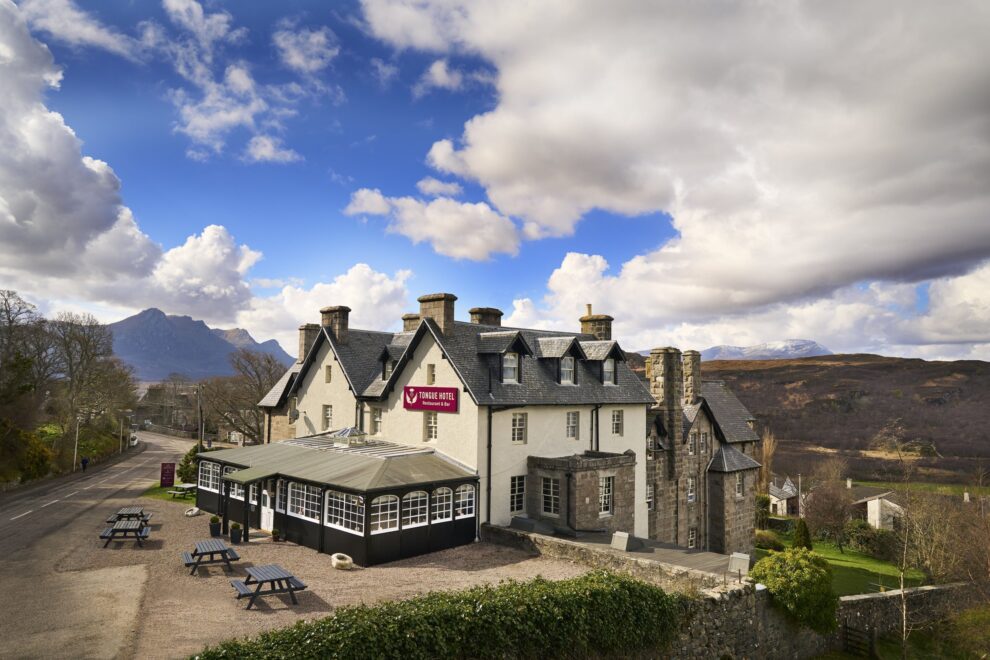
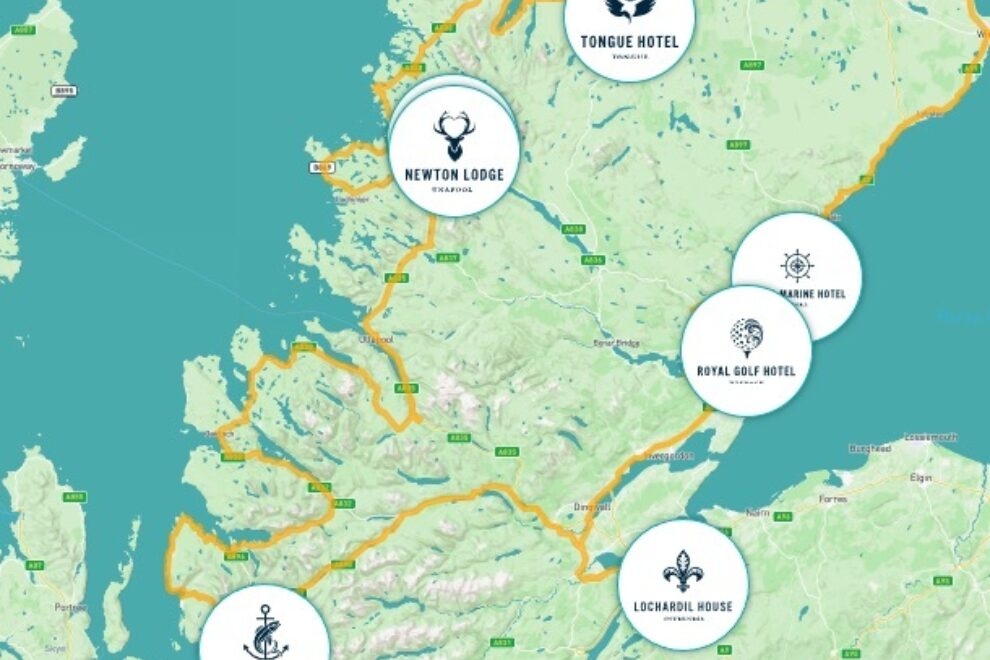
Highland Coast Hotels is a collection of hotels across the Scottish Highlands, from Inverness to the far north coast. Each property sits within the landscape, with warm rooms, honest food and local knowledge at every stop on the North Coast 500. Choose your hotel and start planning your trip.